
December 21, 2025 · 1 min read
Visualizing Hurricane Paths and Weather Data
How to use Mapimator's 3D engine to map the trajectory of storms and climate patterns.
By Mapimator Editorial#Science#News#Nature
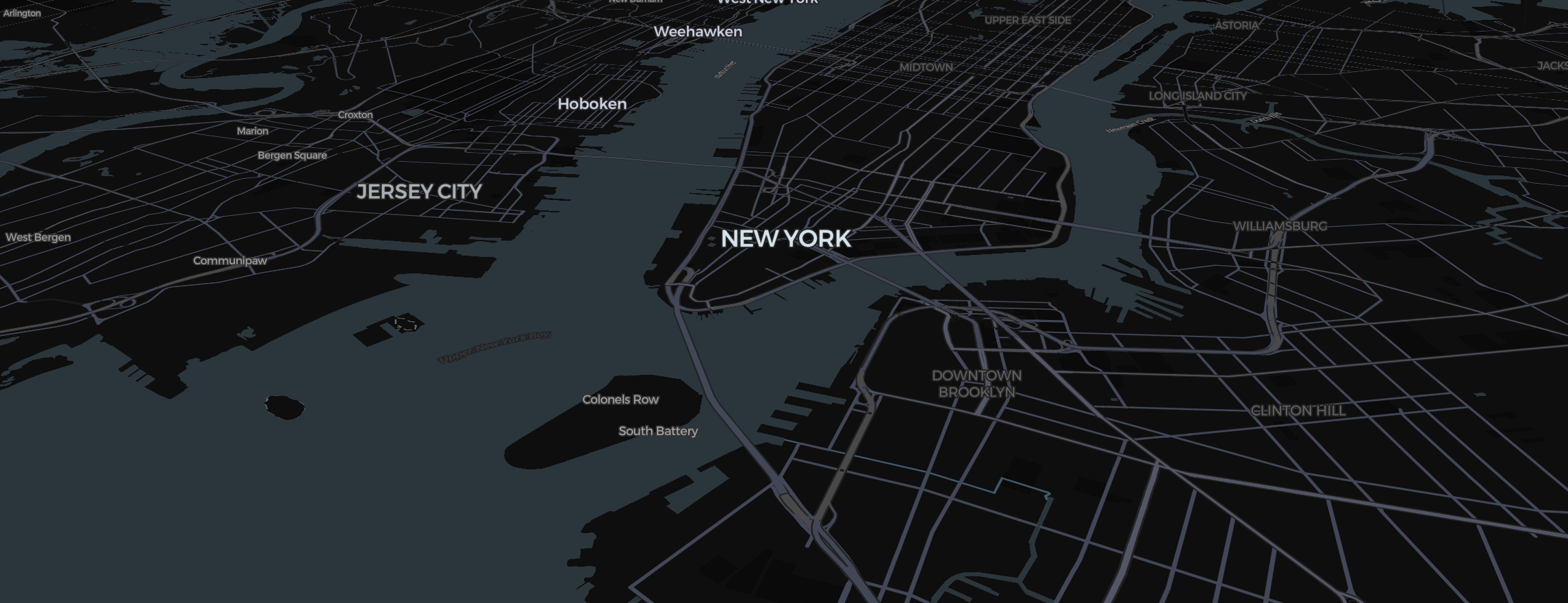
Weather events like hurricanes and tropical storms are inherently geographic stories. For journalists and educators explaining the path of a storm through the Caribbean or across the Atlantic, Mapimator provides a high-contrast 3D canvas for clear data storytelling.
1. Mapping the Trajectory
A hurricane's path isn't a straight line.
- Use the Route Tool in Direct Mode.
- Place waypoints at the storm's coordinates for each day of its progression.
- Set the Stroke Width to be thick and use a vibrant Red or Orange.
- Set the Animation Type to Draw to show the storm’s advance in real-time.
2. Indicating the Cone of Uncertainty
- Use the Shape Tool (Circle) to place a colored circle over each waypoint.
- Use the Scale slider in the sidebar to make the circles larger as the storm moves farther into the future, indicating higher uncertainty.
- Set the Fill Opacity to 0.3 to keep the coastal cities and islands visible beneath the data.
3. Visualizing the Terrain Impact
- Use the Satellite Style to see the realistic textures of the coastline.
- Turn on 3D Terrain under View and pitch the camera (Right Click + Drag) to see the topography of islands like Puerto Rico or Cuba.
- Use Text Stickers with a Halo to label the storm’s category at each stage.
Professional News Export
Weather news requires absolute clarity.
- Use Linear Easing for a steady, informative camera move.
- Always professional rendering engine before exporting. This ensures that every high-res coastline and storm label is perfectly sharp in the final 4K MP4.
With Mapimator, you can turn complex meteorological data into an accessible and compelling news visual.