
January 10, 2026 · 1 min read
Mapping Human History: Visualizing Ancient Migrations
How to use region highlighting and ancestral paths to visualize human gene flow and historical movements.
By Mapimator Editorial#Education#Science#Anthropology
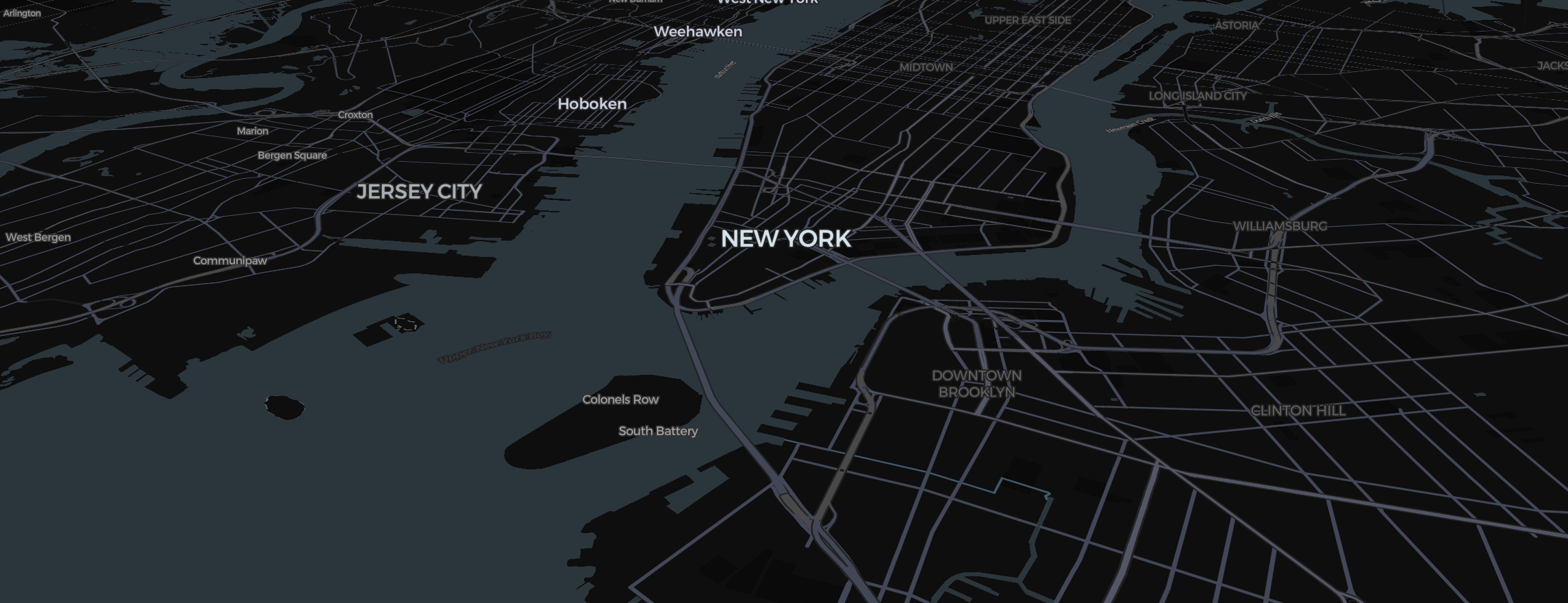
The story of human migration spans hundreds of thousands of years, but on a 2D map, it often looks static. In the Mapimator Studio, researchers and educators are bringing these patterns to life using 3D regions and animated flows.
The Mosaic of Human Populations
When teaching complex subjects like the Pleistocene gene flow, the Magic Wand helps you define territories instantly.
- African Continuity: Start with a blue region in Africa, gently pulsing to indicate 600,000 years of population diversity.
- Migration Branches: Use the Route Tool in Direct Mode to branch flows into Europe and Asia.
- Color Coding: As blue flows meet Neanderthal (Red) or Denisovan (Purple) territories, the overlapping gradients visualize the mixing of genes in a way that’s much clearer than a text description.
The Temporal Slider
You can simulate a timeline by organizing your Slide Cards chronologically.
- Label Slide 1 as "70,000 Years Ago."
- Label Slide 2 as "The Out of Africa Expansion."
- Label Slide 3 as "The Modern World."
- Adjust the Timing between slides to slow down for complex interactions.
Academic Precision
For scientific content, less is often more.
- Use the Light (Positron) map style. It provides a clean, minimalist background that doesn't distract from the data.
- Avoid flashy transitions. Stick to Linear or Smooth Easing to maintain a neutral, academic tone.
- professional rendering engine to ensure that labels and labels stay sharp for large screen presentations.