
January 28, 2026 · 1 min read
Highlighting Remote Communities: The York Factory Story
How to use mapping to reframe geography and tell stories of connection rather than isolation.
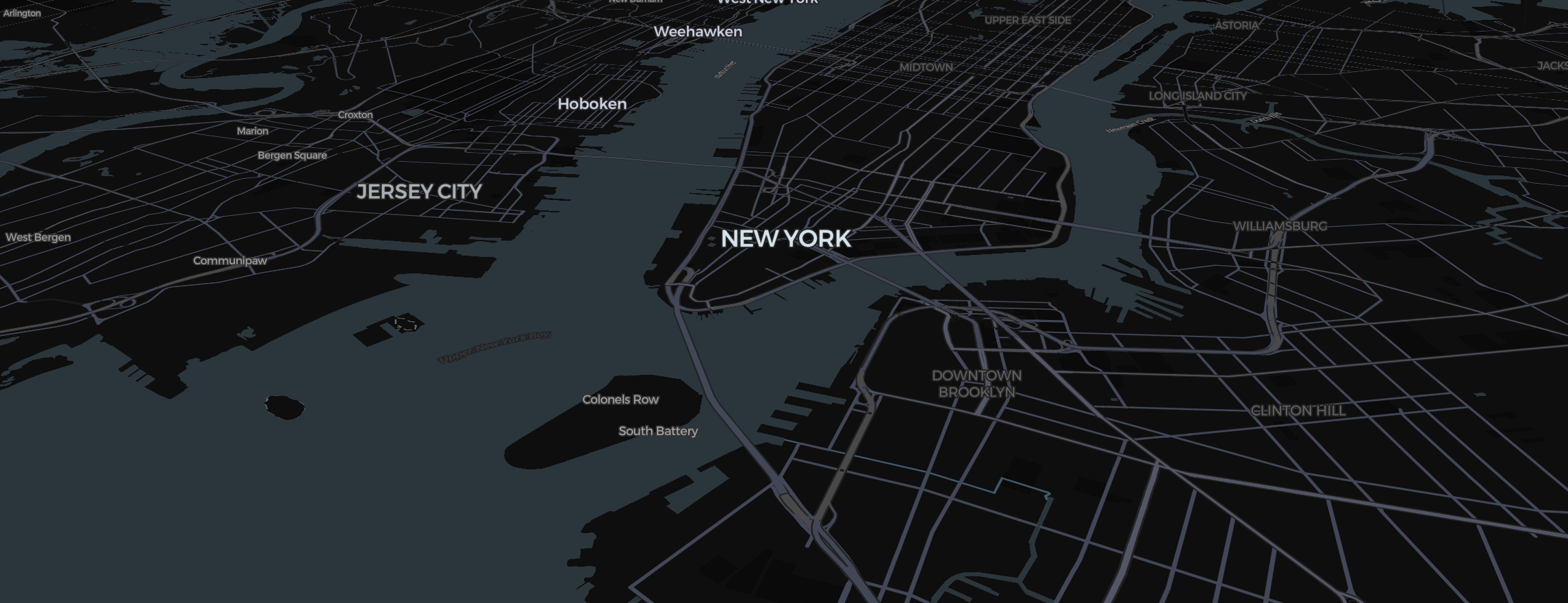
Geography is often used to frame places as "remote" or "isolated." But through the lens of history and movement, any point on the map can be a central hub. One of our favorite community projects uses Mapimator to tell the story of York Factory, reframing it from a remote Manitoba outpost to a historical center of movement.
Movement over Borders
In social-impact storytelling, the Route Tool is about more than just travel—it’s about connection.
- Instead of highlighting political boundaries, use the Terrain style to emphasize rivers and coastlines.
- Animate flows along historic trade routes (like the Hayes River) to show how people moved and connected long before highways existed.
The Temporal Shift
To show how access changes over time, use multiple slides.
- Slide 1: Vibrant, glowing routes showing wide networks of trade.
- Slide 2: Faded, muted lines showing how those routes were restricted or reduced by outside systems.
- This visual contrast helps viewers understand scale and distance without needing a 10-minute explanation.
Natural Aesthetics
For educational or documentary pieces, stick to natural colors:
- Use the Satellite or Terrain map styles.
- Keep pins and labels minimal. Let the 3D landscape tell the story.
- Choose Smooth Easing for a respectful, calm, and professional pace.
By visually centering these communities, Mapimator helps tell stories that are corrective and explanatory, grounding the audience in the reality of the land.