
December 13, 2025 · 1 min read
Visualizing World War II: Step-by-Step Battle Maps
A guide for documentary filmmakers and history buffs on how to animate army movements and frontlines.
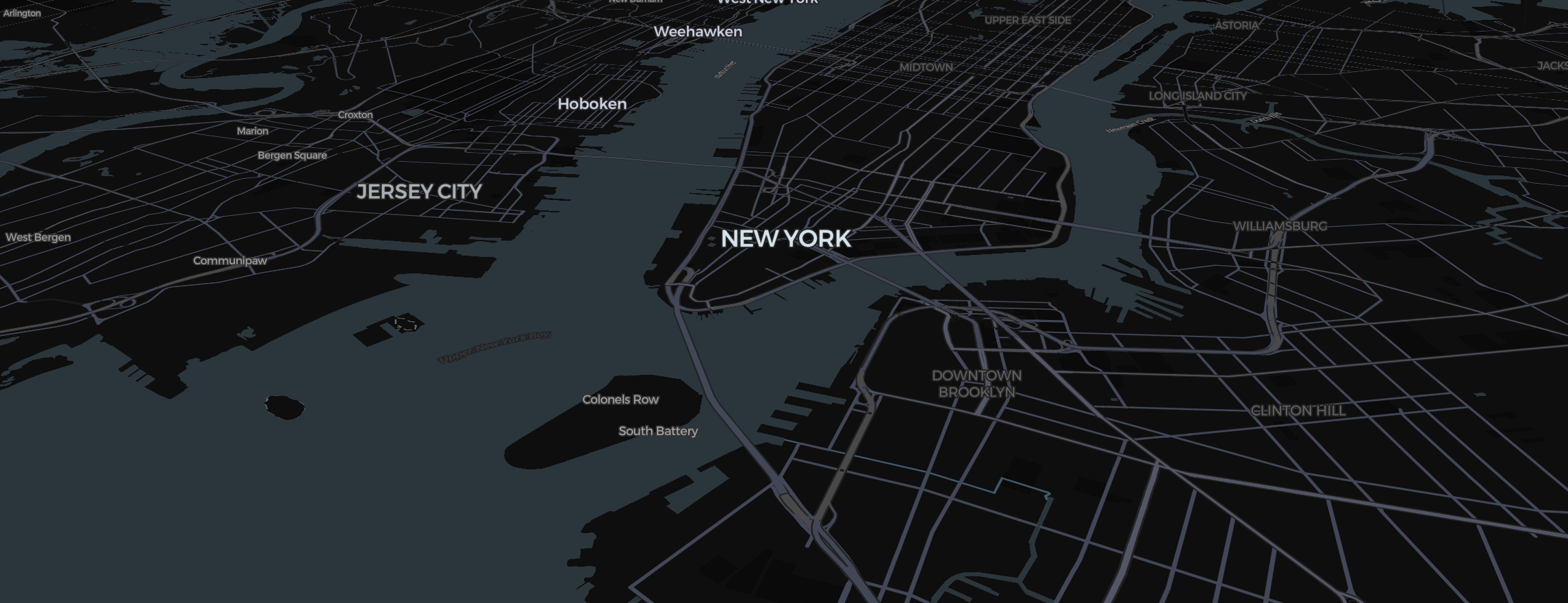
The biggest challenge in history documentaries is making movement feel clear and intentional. Whether you're tracking the Battle of the Bulge or the expansion of empires, Mapimator provides the precision tools needed for academic-grade storytelling.
Territory Control with the Magic Wand
Historical borders don't always match modern ones, but the Magic Wand allows you to select and highlight countries with a single click.
- Select a country in its current form.
- Use the Region Properties to change the color to red or blue (the classic "axis vs allies" palette).
- Set the Fill Opacity to 0.4. This allows the terrain and cities to peek through, adding depth to your map.
Animating the Frontline
For army movements, the Shape Tool is your best friend.
- Arrows: Use the Arrow shape to indicate troop movement directions.
- Dashed Boundaries: Use dashed lines to show contested frontlines or supply chains.
- Sticker Animation: Set the animation type to Draw. This creates a "live-tracking" effect where the arrow progressively grows across the map during the transition.
Timing the Narration
A documentary map needs to "breath." When creating your Storyboard, give each pause at least 3-5 seconds. This allows your viewers to read city labels and absorb the geographic context before the next major move occurs.
If you're creating a global conflict overview, consider using the Globe Projection to emphasize the strategic distance between theaters of war.